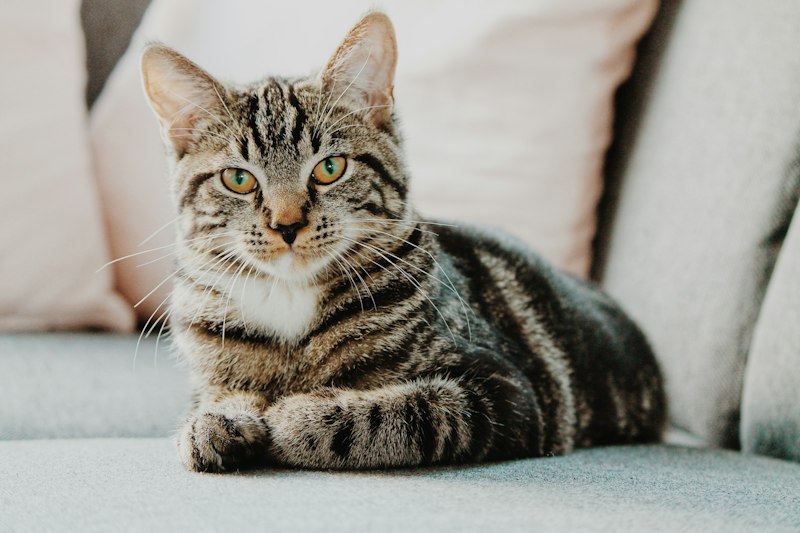
Most people assume cats don't need help with grooming. After all, cats spend roughly half their waking hours grooming themselves, and they seem remarkably efficient at staying clean. But even the most fastidious self-groomer can develop mats, overgrown nails, dirty ears, and dental problems that benefit from human intervention. Regular grooming isn't just about keeping your cat looking good—it's about detecting health issues early, preventing painful conditions, and strengthening the bond between you and your feline companion.
The trick is approaching grooming as a positive experience rather than a battle. Cats respond far better to gentle, patient techniques than to forced handling. Whether you're grooming a cooperative short-haired cat or trying to wrangle a Pomeranian-sized ball of anxiety and fur, this guide covers everything you need to know.
Grooming by Coat Type
Not all cats require the same grooming intensity. Understanding your cat's coat type helps you allocate time appropriately and choose the right tools.
Short-Haired Cats
Domestic Shorthairs and similar breeds have low-maintenance coats. A weekly brushing session is usually sufficient to remove loose fur and distribute skin oils. These cats typically don't develop mats, though some may have thicker seasonal undercoats that benefit from more frequent brushing during shedding seasons (spring and fall). Short-haired cats are excellent self-groomers and rarely need baths unless they've gotten into something dirty or have a skin condition requiring medicated bathing.
Medium-Haired Cats
Breeds like American Shorthairs, Scottish Folds, and some domestic mixes fall into this category. Medium-haired coats develop tangles more easily, particularly behind the ears, under the armpits, and around the belly. Plan on brushing these cats two to three times per week, increasing frequency during heavy shedding periods. Without regular attention, mats can form in problem areas, sometimes requiring shaving to remove.
Long-Haired Cats
Persians, Himalayans, Maine Coons, and Ragdolls require dedicated grooming attention. Daily brushing is essential to prevent painful matting that can form against the skin. Long-haired cats often have trouble reaching certain areas—especially around the rear end and belly—and may develop fecal matting or urinary blockages if hygiene around these areas isn't maintained. Budget time for thorough grooming sessions, typically 15-30 minutes per day, or consider professional grooming every 4-6 weeks as a supplement to home care.
Hairless Cats
Sphynx cats have unique needs. Without fur to absorb skin oils, these cats produce more sebum and require regular bathing—typically weekly—to prevent greasy buildup that can cause skin irritation and infection. Their exposed skin is also susceptible to sunburn and temperature changes. Hairless cats need sweaters in cool weather and sunscreen (formulated for cats) when exposed to sunlight. Their ears accumulate wax more readily and require frequent cleaning, as do their nail beds where oil and debris collect.
Brushing Techniques and Frequency
Effective brushing requires technique, not just running a brush through fur randomly. Different tools serve different purposes, and using the right tool correctly makes grooming faster and more effective.
Slicker Brushes
Slicker brushes have fine, short wires close together on a flat or curved base. They're excellent for removing loose undercoat and working through mild tangles. Use gentle, short strokes following the direction of hair growth. Avoid pressing hard against the skin, which can cause irritation or scrape the skin's surface. Slicker brushes are particularly useful for medium and long-haired cats with dense undercoats.
Bristle Brushes
These look like human hair brushes with natural or synthetic bristles. Bristle brushes distribute skin oils and remove loose surface hair. They're ideal for short-haired cats as a finishing brush after using a deshedding tool. Use long, smooth strokes from head to tail.
Metal Comb
A steel comb with medium-spacing teeth is invaluable for working through tangles and assessing coat condition. After brushing, run the comb through the coat to detect any knots you might have missed. The comb will also pull out any remaining loose fur. For long-haired cats, start with a wide-tooth section, then switch to finer teeth for smoothing.
Rubber Grooming Mitts
These fit over your hand and have rubber nubs that grab loose fur when you pet your cat. They're excellent for cats who dislike traditional brushes but tolerate petting. Many cats find the sensation pleasant, making grooming feel like an extended cuddle. Use the mitt regularly to stay ahead of loose fur accumulation.
De-shedding Tools
Products like the Furminator are designed to remove the dense undercoat that causes heavy shedding. Use these tools during shedding season, typically no more than once or twice weekly, to avoid damaging the outer coat. They're most effective on double-coated breeds and heavy shedders.
Bathing Your Cat: When and How
Unlike dogs, most cats rarely need baths. Cats are exceptional at self-cleaning, and frequent bathing can strip essential skin oils, causing dryness and irritation. That said, certain situations warrant getting your cat wet.
When to Bathe
- Your cat has gotten into something toxic or greasy (motor oil, paint, cleaning chemicals)
- Heavy flea infestation requiring medicated shampoo treatment
- Skin condition requiring prescribed medicated bathing
- Hairless cat requiring regular oil removal
- Senior or obese cat unable to groom certain areas effectively
- Diabetic cat with urine scald or hygiene issues
How to Bathe Cats Safely
When bathing is necessary, preparation prevents chaos. Gather all supplies before bringing your cat near water:
- Cat-specific shampoo (never human products)
- Two towels (one for washing, one for drying)
- Non-slip mat for the tub or sink
- Cotton balls for ears
- Sink basin or small tub for single-cat bathing
- Brush for detangling before the bath
Fill the basin with a few inches of lukewarm water—never hot. Place your cat in the water gently, supporting their body. Use a cup or gentle spray to wet the coat, avoiding the face and ears. Apply shampoo and work it through the coat with your fingers, massaging the skin. Rinse thoroughly—residual shampoo causes more skin irritation than the bath itself.
For the face, use a damp washcloth rather than pouring water over the head. Cats are extremely sensitive about water hitting their faces and ears. Wrap immediately in a towel and pat dry—don't rub vigorously, as this creates more tangles. Long-haired cats may need a second towel. Keep your cat in a warm room until completely dry, as wet cats chill easily.
Nail Trimming: Step by Step
Most cats need their nails trimmed every 2-4 weeks. Indoor cats especially require regular trims because scratching doesn't wear down nails the way it would outdoors. Overgrown nails can curl into the paw pad, causing pain and infection.
What You'll Need
- Cat nail clippers (scissor-style or guillotine-style)
- Styptic powder (in case you cut too short)
- Treats for rewards
- Good lighting
The Technique
Hold your cat comfortably on your lap or a sturdy surface. Gently press the paw to extend the claws. Identify the quick—the pink area containing blood vessels and nerves. For cats with clear nails, the quick is visible as a pink area inside the nail. For cats with dark nails, trim conservatively and avoid the darker center.
Clip only the sharp, clear tip of the nail—typically the curved part that hooks downward. Remove 1-2mm at a time. If you accidentally cut into the quick, the nail will bleed and your cat will yowl. Don't panic—apply styptic powder to stop the bleeding. It stings but isn't dangerous. Reward your cat generously after each session to build positive associations.
Some cats prefer having their paws handled more than others. If your cat struggles excessively, trim just a few nails per session rather than forcing all of them at once. Never punish your cat for resisting—fear makes future sessions worse. With patience and treats, even nail-trimming haters can learn to tolerate the process.
Ear and Eye Cleaning
Ear Cleaning
Healthy cat ears shouldn't accumulate much wax. A weekly visual inspection is sufficient for most cats. Signs that cleaning is needed include visible dirt, debris, or excessive wax buildup. Foul odor or discharge warrants veterinary examination, as these may indicate infection or ear mites.
To clean normal ears, use a veterinary-recommended ear cleaner and cotton balls. Squirt a small amount of cleaner into the ear canal and massage the base of the ear for 20-30 seconds to loosen debris. Allow your cat to shake their head, then wipe away the loosened material with cotton balls. Never use cotton swabs (Q-tips) inside the ear canal—they can damage delicate structures or push debris deeper.
Watch for signs of problems: head shaking, scratching at ears, redness, swelling, discharge, or foul odor. These warrant prompt veterinary attention.
Eye Cleaning
Some cats, particularly flat-faced breeds like Persians and Himalayans, accumulate eye discharge and tear staining. Daily wiping with a warm, damp cloth keeps the area clean. Use a fresh cloth for each eye to avoid transferring potential infection.
Persistent eye discharge, colored discharge (yellow, green), squinting, cloudiness, or visible third eyelid appearance are veterinary concerns, not normal grooming issues. These can indicate infections, corneal injuries, or other problems requiring treatment.
Dealing with Mats
Mats are tightly tangled clumps of fur that form when loose hair weaves together, often in areas of friction (armpits, groin, behind ears, under collar). They pull on skin and can become painful, especially if they grow large and heavy.
Safe Mat Removal
Never try to cut mats out with regular scissors—you risk cutting the skin underneath, which is thin and fragile. For small mats, use mat splitter tools or a slicker brush worked carefully beneath the mat to loosen it, then brush the now-separated fur. For large, dense mats, a professional groomer or veterinarian should shave them out with clippers designed for the purpose.
The best approach to mats is prevention through regular brushing. If your long-haired cat develops mats frequently despite brushing, consider a "sanitary clip"—a short trim around the rear end and belly that many owners of long-haired cats maintain for hygiene purposes.
Making Grooming Positive for Anxious Cats
Some cats genuinely hate grooming—no two ways about it. But even the most stressed cat can learn to tolerate or even enjoy grooming with the right approach.
Go Slow
Rushing grooming with an anxious cat backfires. Instead, work in brief sessions—even just one or two brush strokes before letting your cat escape. Over weeks and months, extend sessions gradually as your cat's tolerance builds. The goal is to end every session before your cat reaches maximum stress, leaving them wanting more rather than dreading your approach.
Use High-Value Rewards
Pair grooming with exceptional treats—something your cat rarely gets. Churu purées, freeze-dried chicken, or warmed wet food work well. Give treats continuously throughout grooming so your cat associates the experience with rewards. Some owners find that brushing followed by a special treat meal works perfectly as a routine.
Create Comfortable Conditions
Groom on a surface your cat likes—a favorite chair, a warm blanket on your lap. Choose a time when your cat is relaxed, perhaps after eating or a vigorous play session when they're happily tired. Avoid grooming when visitors are around or the household is chaotic.
Respect Boundaries
Learn to read stress signals and respect them. Dilated pupils, flattened ears, swishing tail, growling, or trying to escape all indicate your cat has had enough. Letting your cat escape when they ask prevents bites and scratches and maintains trust. Over time, many cats learn that grooming ends when they signal enough—and they're more willing to tolerate longer sessions knowing they'll get a say.
Consider Professional Help
Some cats need professional groomers who specialize in difficult felines. Look for groomers certified in feline handling, ideally with experience working with fearful cats. A gentle, patient professional may accomplish in one session what takes weeks at home—and sometimes the stress of frequent home grooming outweighs the benefit. Mobile grooming services that come to your home eliminate carrier and car stress for some cats.
Essential Grooming Tools to Have On Hand
Recommended Grooming Kit for Cat Owners
- Slicker brush — For medium and long-haired cats
- Bristle brush — For short-haired cats, finishing strokes
- Metal comb — Detangling and coat inspection
- Rubber grooming mitt — For cats who dislike brushes
- Cat nail clippers — Scissor or guillotine style
- Styptic powder — For minor nail trimming accidents
- Ear cleaner — Veterinary-approved formulation
- Cotton balls — Ear cleaning, general wiping
- Mat splitter or dematting comb — For stubborn tangles
- Cat-specific shampoo — Only when bathing needed
Grooming doesn't have to be a source of stress for you or your cat. Start young if possible—kittens who experience gentle handling during grooming develop into adults who accept it readily. But even adult cats can learn new habits with patience. The time you invest in grooming pays dividends: a healthier coat, early detection of skin issues, fewer hairballs, maintained mobility through regular nail care, and a stronger bond with your feline friend. Make grooming part of your routine, keep sessions positive, and adjust your approach based on your individual cat's personality and needs.