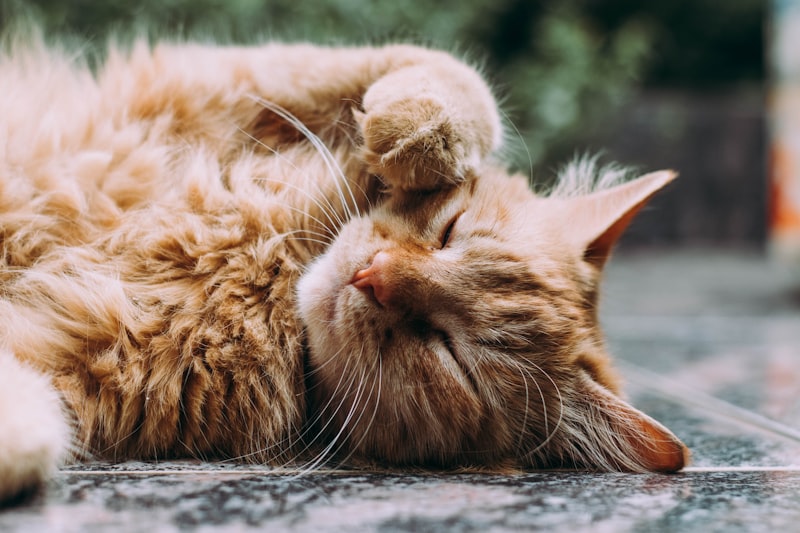
Watching your cat transition into their senior years can be both poignant and educational. The kitten who zoomed through your living room at lightning speed eventually becomes a dignified elder who prefers sunny windowsills to chaotic play sessions. This transition, while natural, brings new considerations for care, health monitoring, and environmental support. Understanding what to expect as your cat ages helps you provide the best possible quality of life during these precious later years.
Cats age faster than humans, but the senior years don't arrive as abruptly as many owners expect. Rather than a sudden change, aging is a gradual process that typically becomes noticeable between ages ten and twelve. Some cats remain remarkably spry into their late teens, while others show age-related changes earlier. Individual variation, genetics, nutrition, and overall health history all influence how and when aging manifests in each cat.
When Is a Cat Considered Senior?
The veterinary community generally classifies cats as senior when they reach eleven years of age, though some references cite seven years as the beginning of the senior period. The American Association of Feline Practitioners considers middle age to begin around seven to ten years, with senior status commencing at eleven to fourteen years and geriatric cats being those fifteen years and older. These classifications help veterinarians determine appropriate screening protocols and preventive care strategies.
Rather than focusing strictly on chronological age, observing your individual cat provides the most meaningful assessment of their aging process. Some cats remain playful and active well into their teens, while others slow considerably by age ten. Changes in activity level, sleep patterns, grooming habits, vision and hearing, and cognitive function all indicate the progression of aging. Knowing what's normal for your specific cat helps you recognize when additional support or veterinary attention becomes necessary.
The feline aging process involves cumulative changes across multiple body systems. Muscle mass decreases gradually while body fat percentage often increases. Skin loses elasticity and coat quality may diminish. Organ function becomes less efficient, and the immune system operates at reduced capacity. Bone density decreases, making fractures more likely in the event of falls or jumps. Sensory perception—vision, hearing, smell, taste—gradually declines. These changes don't all occur simultaneously, but they compound over time to affect your cat's daily life and care needs.
Common Senior Cat Health Issues
Chronic kidney disease represents one of the most prevalent conditions affecting senior cats, with studies suggesting it affects thirty to fifty percent of cats over fifteen years of age. The kidneys filter waste products from blood, concentrate urine, and maintain fluid and electrolyte balance. When kidney function declines, these processes become less efficient, leading to toxin accumulation, dehydration, and electrolyte imbalances. Early stages may show no obvious symptoms, making regular screening essential for early detection and management.
Hyperthyroidism, a condition where the thyroid gland produces excessive hormones, commonly affects cats in their teens and early twenties. The elevated metabolism these hormones cause leads to weight loss despite increased appetite, hyperactivity, increased thirst and urination, vomiting, diarrhea, and poor coat condition. While the exact cause remains uncertain, hyperthyroidism is highly manageable through medication, dietary therapy, radioactive iodine treatment, or surgery. Left untreated, it causes significant suffering and eventually organ failure.
Arthritis affects a surprising number of senior cats, perhaps as many as sixty to ninety percent according to some studies, though many cases remain undiagnosed because cats mask pain instinctively. The cartilage deterioration within joints causes pain, stiffness, and reduced mobility. Affected cats may struggle with jumping, climbing stairs, or accessing their favorite high perches. They may groom less effectively, particularly in hard-to-reach areas. Litter box problems can develop when cats associate the box with the pain of climbing over its sides.
Other conditions that increase in prevalence with age include diabetes mellitus, heart disease, hypertension, dental disease, cancer, and cognitive dysfunction syndrome. Each presents unique challenges and requires specific management strategies. The interconnected nature of these conditions means that one problem often exacerbates others, making comprehensive veterinary care increasingly important as cats age. Early intervention typically produces better outcomes and slower disease progression.
Nutrition for Senior Cats
Senior cats have different nutritional requirements than their younger counterparts, though these needs are more nuanced than simple calorie reduction. Protein requirements actually remain important in older cats, as they are at risk for sarcopenia—the age-related loss of muscle mass. Restricting protein too severely can accelerate muscle loss and weaken the immune system. The key is providing high-quality, highly digestible protein sources that older cats can efficiently utilize despite reduced digestive function.
Many senior cats benefit from foods specifically formulated for older felines. These diets often contain modified protein levels, added omega fatty acids for coat and joint health, enhanced antioxidant content to support cognitive function, and adjusted mineral balances for kidney support. However, not all senior-formulated foods are created equal, and some may not be appropriate for cats with specific conditions. Your veterinarian can recommend a diet tailored to your cat's individual health status, weight, and any medical conditions present.
Feeding strategies may need adjustment for senior cats. Many older cats benefit from multiple small meals daily rather than one or two large meals, as their digestive systems process food less efficiently. Warming food slightly enhances aroma and appeal for cats with reduced sense of smell. Elevated food bowls reduce strain on necks and spines for cats with arthritis. For cats with dental issues, softened food or specialized dental diets may be necessary to ensure adequate nutrition intake.
Home Modifications for Comfort
Making thoughtful adjustments to your home environment can dramatically improve daily life for senior cats with reduced mobility, vision, or cognitive function. The goal is reducing physical demands while maintaining environmental enrichment and quality of life.
Mobility support often requires the most significant modifications. Provide low-sided litter boxes to make entry and exit easier for cats with arthritis. Ramps or steps to favorite perches allow continued access without painful jumping. orthopedic cat beds with supportive foam distribute weight comfortably and protect achy joints. Non-slip surfaces on slippery floors—through rugs, mats, or traction tape—prevent dangerous slips that can cause fractures in fragile senior cats.
For cats with vision impairment, minimize environmental changes that require relearning. Keep furniture arrangement consistent so mentally impaired cats can navigate reliably. Provide multiple water stations in consistent locations so hydration remains accessible without visual cues. Nightlights help visually impaired cats find their way in dim lighting. Baby gates prevent falls down stairs while still allowing free movement through the home when supervised.
Comfort Tip: Senior cats often feel the cold more acutely than younger cats. Provide heated beds or pads (set to safe, low temperatures), warm blankets in favorite resting spots, and consider sweaters or coats for hairless or particularly thin-coated cats during cooler months.
Cognitive decline can affect senior cats similarly to dementia in humans. Signs include disorientation, altered sleep-wake cycles, increased vocalization particularly at night, house soiling despite previous excellent habits, decreased interest in social interaction, and anxiety or restlessness. While cognitive dysfunction cannot be cured, environmental management, consistent routines, and sometimes medication or supplements can help manage symptoms and maintain quality of life.
Grooming Changes in Senior Cats
As cats age, their grooming capabilities often diminish due to reduced flexibility, arthritis pain, dental problems, or cognitive changes. Matting becomes more common, particularly in long-haired breeds. Areas around the rear end and lower back become difficult to reach. The coat may appear dull or greasy due to inadequate grooming. Some senior cats develop oily skin or develop dander due to decreased grooming activity.
Owners often need to supplement senior cat grooming routines. Regular brushing—perhaps daily for long-haired cats and several times weekly for short-haired varieties—removes loose fur, prevents matting, distributes natural skin oils, and provides bonding time. Brushes with gentle tines and soft bristles are appropriate for sensitive senior skin. Some cats who no longer groom their faces adequately may need periodic face cleaning with a warm, damp cloth.
Nail trimming becomes more important as senior cats may not wear down their claws through normal scratching activity. Overgrown nails can curl and dig into paw pads, causing pain and infection. Regular nail trims every few weeks prevent these problems and also make nail-related injuries less likely. If nail trimming becomes difficult due to your cat's mobility issues or resistance, veterinary clinics and groomers often offer this service.
Veterinary Care Frequency for Senior Cats
Senior cats benefit from more frequent veterinary monitoring than younger cats. While adult cats may only need annual examinations, senior cats typically require checkups every six months. These biannual visits allow for early detection of developing conditions through physical examination, blood work, and urinalysis. Many senior cat conditions progress slowly, and detecting changes at six-month intervals rather than annual visits can make a meaningful difference in treatment success.
Baseline blood work and urinalysis established during the early senior years provides comparison points for detecting subtle changes in subsequent tests. Annual or biannual blood panels can reveal declining kidney function, thyroid abnormalities, or other developing problems before obvious symptoms appear. Early intervention through diet modification, medication, or other treatments often slows disease progression and maintains quality of life longer than waiting for clinical signs to develop.
Between veterinary visits, regular home monitoring helps detect changes promptly. Weekly weight checks—using a bathroom scale holding your cat—reveal gradual weight loss that might otherwise go unnoticed. Tracking appetite, water intake, litter box habits, activity level, and general demeanor creates a record that helps your veterinarian identify patterns or changes. Any significant change in these parameters warrants veterinary consultation, even if it occurs between scheduled appointments.
Assessing and Maintaining Quality of Life
Quality of life assessment becomes central to caring for senior cats, particularly those with chronic conditions. This evaluation considers multiple factors including pain management, hydration, nutrition, hygiene, happiness, and the owner's capacity to provide necessary care. Regular honest assessment helps ensure that living with age-related conditions remains comfortable and fulfilling rather than prolonged suffering.
Signs of acceptable quality of life include willingness to eat and drink, ability to rest comfortably, engagement with environment and family members, normal elimination habits, and apparent absence of chronic pain. Signs suggesting compromised quality of life include hiding and withdrawn behavior, refusal to eat despite appetite stimulants, inability to reach the litter box leading to accidents, constant crying or vocalization, and obvious pain during normal movement or handling.
Pain management deserves particular attention, as cats instinctively hide pain, making it easy for owners to underestimate their cat's discomfort. Signs of pain include reluctance to be touched or picked up, aggression when approached, decreased activity, altered gait, difficulty settling into comfortable positions, and excessive grooming of specific painful areas. Multiple safe and effective pain management options exist for cats, and appropriate pain control can significantly improve quality of life even in cats with chronic conditions.
The decision about end-of-life care represents one of the most difficult aspects of cat ownership. When quality of life deteriorates beyond recovery, humane euthanasia prevents unnecessary suffering. This final gift, while emotionally devastating, reflects the deepest commitment to your cat's welfare—the willingness to put their comfort above your own grief. Veterinarians can guide this decision and provide support through the process. Many owners find comfort in knowing they provided their cats with loving, comprehensive care throughout all life stages.
Your senior cat has given you years of companionship, entertainment, and unconditional love. The senior years, while bringing new challenges, also offer unique rewards—the deepening of the bond between you, the peaceful contentment of an older friend, the wisdom that comes from years of shared life. By understanding what to expect and preparing thoughtfully, you can ensure these years remain comfortable, enriching, and filled with the love that makes the human-animal bond so precious.